


We are here to help
Mon - Fri, 9:30 - 18:30
Free shipping > €50 Always free returns Quick & personal support
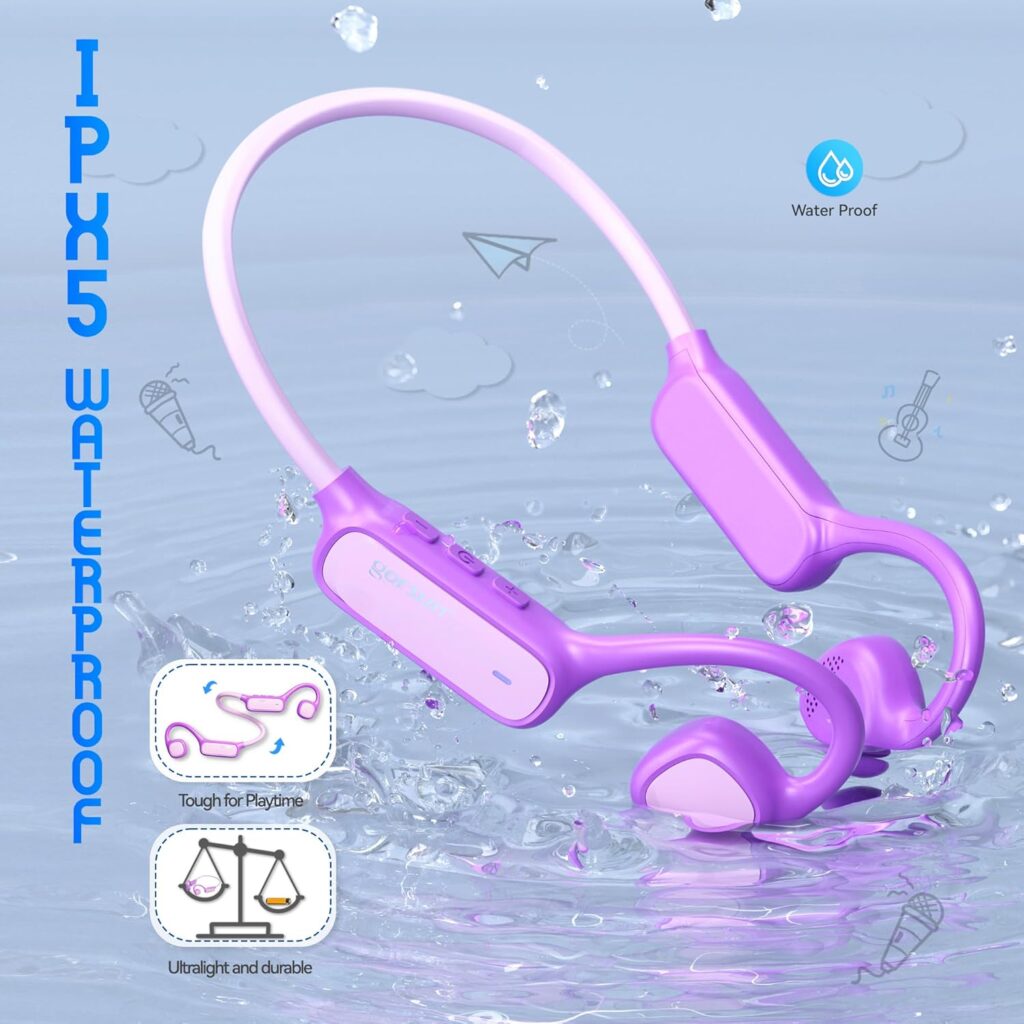
When selecting headphones for children, paying attention to headphone sizes is crucial for optimal comfort and sound experience. An adequately sized headphone ensures that it fits securely over the child’s ears while preventing discomfort during prolonged use. Measurements can vary significantly among different headphone models, making it essential to understand the dimensions that matter most.
One key measurement to consider is the headband length, which is often a reliable benchmark when evaluating headphone compatibility for kids. For most models, a headband length of approximately 11.69 inches is regarded as a standard size for open-back headphones. This measurement is pivotal as it helps gauge whether the headphones will comfortably encircle the child’s head without slipping off or causing irritation. A proper fit not only enhances listening enjoyment but also contributes to safety by ensuring that the headphones remain securely positioned.
A well-fitted headphone provides several benefits beyond comfort. It helps in delivering superior sound quality, as the right fit minimizes sound leakage and enhances bass response. Additionally, a snug fit can protect hearing by ensuring that audio levels are kept at a safe volume. This is particularly important for children, as their hearing is still developing, making them more susceptible to damage from excessive volume exposure. Therefore, investing time in measuring and choosing the right headphone size can help in maintaining ear health while optimizing the audio experience.
In summary, understanding the importance of headphone sizes and measuring them accurately can significantly improve the experience for children who enjoy listening to music or engaging in educational content through audio devices. Ensuring a proper fit can lead to a safer and more enjoyable listening environment.
When selecting headphones for children, ensuring the correct fit is crucial for both comfort and safety. One essential measurement that plays a significant role in achieving the perfect fit is the headband length. Here is a step-by-step guide on how to accurately measure the headband length for headphones.
Start the measurement process by positioning your child. Ask them to sit comfortably in an upright posture. Next, using a flexible tape measure, you will need to take the measurement starting from just above the left ear. Carefully hold one end of the tape measure at this position, ensuring it rests gently on the head and does not exert pressure.
Extend the tape measure across the top of the head until it reaches the same spot above the right ear. Ensure the tape runs smoothly and is not twisted or tangled, as this could result in an inaccurate measurement. The ideal reading should be taken at the point where the tape measure aligns above the right ear without any gaps or pulling. Record this measurement in inches for accuracy.
For open-back headphones, it is essential that the headband length is below 9.33 inches. This recommendation helps maintain both safety and comfort as oversized headbands may lead to an unstable fit, causing headphones to slip or fall off during use. Regularly checking headband dimensions can prevent issues associated with poor fit, which may include discomfort and auditory distractions. Moreover, ensuring that headphones fit properly can significantly enhance your child’s listening experience while providing added protection during use.
By taking the time to measure the headband length correctly, you can ensure that the selected headphones provide a snug and secure fit for your child.
Open-back headphones are distinguished by their unique design, which features a non-sealed ear cup that allows air and sound to pass through the back of the ear cups. This open design provides a more natural sound experience that many users, including children, may find advantageous. Unlike closed-back headphones, which isolate the listener from external sounds, open-back models allow for ambient noise to seep in. This characteristic ensures that children remain aware of their surroundings while enjoying their audio content.
One of the primary benefits of open-back headphones for kids is their ability to create a more spacious soundstage. Children listening to music or educational content can perceive audio sources as coming from different directions, enhancing the listening experience. This feature can significantly benefit children who may be studying or engaged in group activities, as it fosters interaction with others around them, encouraging social interaction while listening.
Moreover, the breathability of the open-back design can result in a more comfortable experience during extended listening sessions. Unlike closed headphones, which can create discomfort due to heat buildup, open-back headphones allow for improved ventilation. This is particularly important for kids, who may be more sensitive to discomfort or overheating during prolonged use. The lighter weight of many open-back models also contributes to a more pleasant fit, making them an excellent choice for children.
However, it is worth noting that the open-back design does not provide the same level of noise isolation as closed models, which may be a consideration in noisy environments. Nevertheless, for home use or in quieter settings, open-back headphones can be a fantastic option, promoting auditory awareness alongside enjoyment. Therefore, when choosing headphones for children, understanding the implications of the open-back design is essential to ensure comfort and safety during their listening activities.
When selecting headphones for children, one of the crucial aspects to consider is the design, specifically whether it features an open-ear configuration. Open-ear headphones allow children to listen to music without completely blocking out the surrounding environment. This feature is especially beneficial for ensuring the safety of young users. By incorporating open-ear designs, brands promote a listening experience that does not isolate children from essential sounds, such as conversations with guardians or warning signals in their vicinity.
Children are naturally curious and active, often engaged in play or exploring their surroundings. Open-ear headphones facilitate this interaction by allowing them to remain aware of their environment while enjoying their favorite tunes. This balance between enjoyment and alertness is vital, as it enables children to respond promptly to immediate auditory stimuli, thus enhancing their safety during outdoor activities.
Moreover, the open-ear design fosters social interaction among children. By not isolating young users completely, these headphones allow them to communicate easily with peers and family members while listening to audio content. This can result in a more enjoyable experience, as conversations can happen without the need for children to remove their headphones. Additionally, the ability to have discussions while listening to music encourages cooperative play and shared experiences, crucial for social development.
In conclusion, choosing headphones with an open-ear design for children offers significant safety advantages. This configuration not only enhances awareness of the surroundings but also promotes healthy communication and social interactions, making it a preferable option for families prioritizing both safety and enjoyment in auditory experiences.
In today’s fast-paced world, family interactions often take a backseat, making it essential to find innovative ways to connect with one another. One significant aspect that facilitates this bonding is shared listening experiences, particularly through the use of open-back headphones. Unlike traditional closed-back designs, open-back headphones allow sound to escape, creating a more communal listening environment that can promote interaction and discussion.
By choosing open-back headphones for kids, families can foster an atmosphere where music and audiobooks become a source of dialogue and shared enjoyment. When children listen to their favorite songs or stories through these headphones, they can engage their family members in conversation about the content they are experiencing. This interaction not only enriches the family dynamic but also enhances children’s communication skills and ability to express their thoughts and preferences. Listening together can lead to discussions about themes in music, storytelling, and even the emotional responses prompted by different genres.
Moreover, these headphones enable families to hold casual listening sessions at home, allowing everyone to enjoy the experience collectively. Parents can join their children in exploring new music or audiobooks, creating opportunities for learning and bonding. This shared activity not only nurtures relationships but also helps in understanding each other’s interests and tastes in audio entertainment.
Encouraging children to share what they hear and think while using open-back headphones further supports their growth in social interactions. These headphones serve as a bridge that connects family members through music, enriching their time spent together and developing a shared appreciation for different audio experiences. Consequently, investing in a good pair of open-back headphones for your kids can enhance family interactions, making listening a social affair of its own.
Choosing the right headphones for children can be a challenging task for parents. The primary factors to consider include size, safety features, comfort, and audio quality. The fit of the headphones is critical, as improper sizing can lead to discomfort and reduced listening experience. When selecting headphones for kids, it is essential to look for adjustable headbands and cushioned ear cups, which help ensure a snug and comfortable fit for different head sizes. Many manufacturers create headphones specifically designed for children, incorporating lighter materials that minimize strain on young ears.
Safety is a paramount concern when selecting headphones for kids. Limiting the maximum volume is an essential feature to prevent potential hearing damage. Many child-specific headphones come equipped with volume limiters that optimize the sound levels, ensuring that children can enjoy their music or audiobooks without exposure to excessive noise levels. Additionally, headphones designed for younger users often feature durable construction to withstand the wear and tear of daily use.
Comfort is another important consideration in choosing the right headphones. Look for models with soft padding around the ear cups, as this not only enhances comfort but also helps with sound isolation, creating an immersive listening experience. Testing headphones with children can also be beneficial; allowing kids to try different models can reveal which ones they find more comfortable and preferred. Finally, while audio quality may not always be the top priority for some parents, it is worth investing in headphones that deliver clear sound and balanced audio, ensuring that children enjoy a pleasant listening experience as they engage with their favorite media.
When considering headphones for children, two main types come to the forefront: open-back and closed-back headphones. Each type has its distinct advantages and disadvantages, particularly when it comes to fit, comfort, sound quality, and safety.
Open-back headphones feature a design that allows air and sound to pass through the ear cups. This design creates a more natural and open soundstage, which can enhance listening experiences, especially for music. However, this can pose safety concerns for children, as these headphones do not provide isolation from external noises. Children may be more susceptible to loud environments, which can lead to increased sound exposure levels. Additionally, the open design may not offer the best comfort for extended listening sessions, especially in noisy areas.
Conversely, closed-back headphones are engineered to enclose the driver completely, which typically results in improved sound isolation. This feature can be particularly beneficial for kids, as it helps limit exposure to external noise and ensures that the listening levels remain safe. By reducing ambient sounds, closed-back headphones can help children focus on their audio activities without distraction. Furthermore, they generally provide a snug fit that can enhance overall comfort during prolonged use. Nevertheless, some users might find that closed-back headphones can feel more constricting and may not have the same spacious sound quality as their open-back counterparts.
Ultimately, the choice between open-back and closed-back headphones for children hinges on their specific needs. For environments where sound isolation is crucial, closed-back headphones may be the preferred option. In contrast, if the main objective is achieving a more natural sound experience in a quieter setting, open-back headphones might be suitable. However, prioritizing safety and ensuring comfort should always be paramount when selecting headphones for kids.
In an increasingly digital world, where children are often exposed to audio through headphones, it is essential to instill safe listening practices to protect their hearing health. One of the primary considerations when allowing children to use headphones is volume control. Experts recommend that the volume should not exceed 60% of the maximum level. This practice greatly minimizes the risk of noise-induced hearing loss. Incorporating volume-limiting headphones designed specifically for children can further assist in maintaining safe sound levels.
Another important factor is the duration of headphone use. Children, like adults, should adhere to the 60/60 rule, which suggests using headphones for no more than 60 minutes at a time, followed by a break. Prolonged exposure to sound, even at safe volumes, can contribute to auditory fatigue. Encouraging regular breaks not only helps maintain hearing health but also allows the child to engage with their surroundings, which is vital for their overall development and social interaction.
The type of music or audio content children are exposed to while using headphones also plays a significant role in their listening habits. Selecting age-appropriate media ensures that they are exposed to positive messages and sounds conducive to their growth. Additionally, avoiding genres that emphasize highly amplified sounds or sudden changes in volume can be beneficial in reducing listening fatigue. Educating children about the advantages of listening to calming music can help form healthier audio habits from an early age.
By emphasizing these safe listening practices, parents can foster an environment of awareness about hearing health while allowing children to enjoy their audio experiences. Ultimately, a focus on proper headphone usage can promote safer habits that will last a lifetime.
In selecting the optimal headphones for children, several critical factors come to the forefront, particularly the considerations of fit, safety, and sound quality. The proper fit of headphones is paramount, as poorly fitting devices can lead to discomfort during use. Children may be especially sensitive to uncomfortable headphones, which can detract from their overall listening experience. Adjustable headbands and cushioned ear pads help in achieving a more tailored fit, ensuring that the headphones remain secure without causing pain or distraction.
Moreover, safety considerations play a crucial role in choosing headphones for young listeners. It is essential to select models that limit volume levels to prevent potential hearing damage. Many headphones designed for children come equipped with built-in volume limiting features that help safeguard their sensitive hearing while allowing them to enjoy their favorite music or educational content. This protective measure is significant due to the increasing exposure to high-volume audio in today’s media-rich environment.
Additionally, open-back headphones may present a particularly beneficial option for kids. Unlike closed-back designs, which isolate sound, open-back headphones promote a more natural and immersive listening experience while allowing ambient sound in. This feature enables children to stay engaged with their surroundings and family interactions, thereby facilitating a more balanced audio experience. By maintaining connectivity with their environment, children can safely enjoy their headphones without isolation.
Ultimately, when selecting headphones for young listeners, prioritizing fit and safety cannot be overstated. By considering these factors, caregivers can ensure a more enjoyable and secure auditory experience for their children, promoting both healthy listening habits and family interaction.
Shop Now! 👉https://gorsun.com/gorsun-shop-safe-kids-headphones/
Follow Gorsun INS: https://www.instagram.com/gorsunglobal/
Follow Gorsun WhatsApp Cannot: https://whatsapp.com/channel/0029Vb6N7Ka59PwOZpenNc3U
Follow Gorsun Youtube Cannot: https://www.youtube.com/@GorsunOfficial
No account yet?
Create an Account